
Hello world!
Welcome to WordPress. This is your first post. Edit or delete it, then start writing!
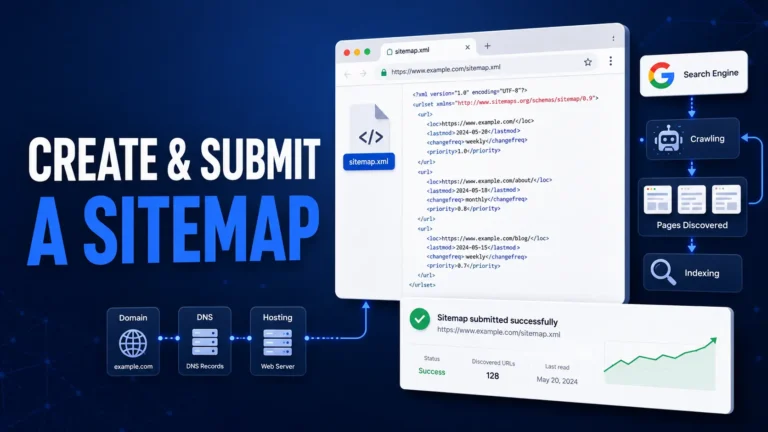
If your website isn’t getting indexed the way you expect, the issue often isn’t content—it’s structure. Search engines can only rank what they can find, and that discovery process depends heavily on your technical setup. One of the simplest ways to guide that process is with a sitemap. For beginners, this can feel tangled with…
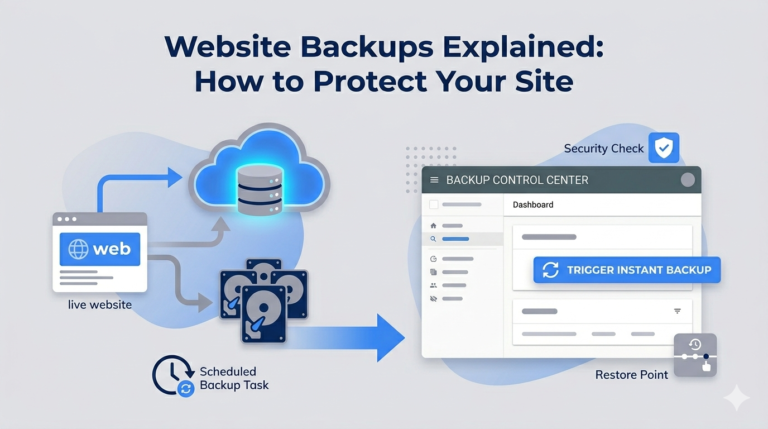
A website can take weeks—or months—to build. Losing it can take seconds. It doesn’t always happen in dramatic ways. Sometimes it’s a failed update, a plugin conflict, a hosting issue, or a simple mistake while editing files. Other times, it’s something outside your control. Either way, without a backup, recovery can be painful or impossible….
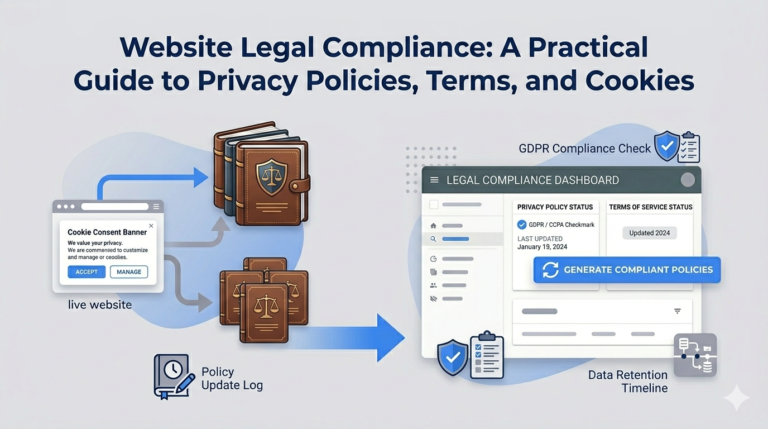
Launching a website is easier than ever. Staying legally compliant is not. Many early-stage site owners focus on design, content, and traffic—but overlook the legal foundations that quietly shape user trust and protect the business behind the site. Privacy policies, terms of service, and cookie disclosures aren’t just formalities. They’re expectations. In some regions, they’re…
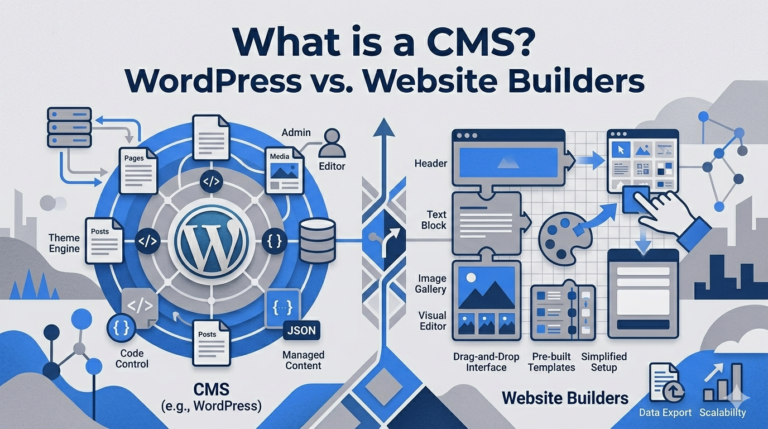
Executive SummaryThe architectural foundations of the modern web are often misunderstood by those who rely on them most. For a business operating in the United States today, a website is no longer a static digital brochure; it is a primary revenue engine, a legal liability, and the most visible manifestation of brand authority. At the…
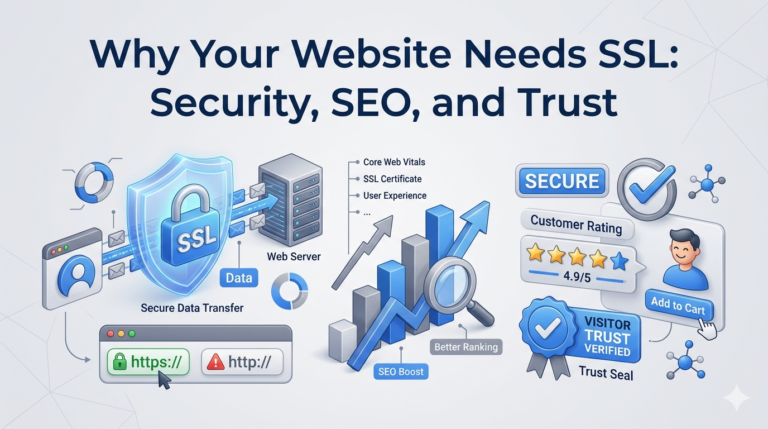
Executive SummaryIf you’ve ever noticed the small padlock icon next to a website’s address, you’ve already seen SSL in action. It’s easy to overlook, but that tiny indicator carries real weight. For anyone running a website—even a simple portfolio or blog—SSL is no longer optional. It shapes how secure your site is, how it performs…
Executive Summary: An SSL/TLS certificate is a digital credential (often still called an “SSL certificate”) that a trusted authority issues to a website. It contains the site’s public key and identity details, enabling your browser to encrypt data in transit and confirm it’s talking to the real site. In practice, SSL/TLS turns HTTP into HTTPS,…
Executive SummaryThe architectural foundations of the modern web are often misunderstood by those who rely on them most. For a business operating in the United States today, a website is no longer a static digital brochure; it is a primary revenue engine, a legal liability, and the most visible manifestation of brand authority. At the…
Executive Summary The Domain Name System (DNS) is the Internet’s address book, translating user-friendly domain names (like example.com) into numeric IP addresses that computers use to communicate. In practice, every time you type a website name into your browser or use an app, DNS is working behind the scenes to find the right machine. This…
Executive SummaryIf your website feels slow for visitors who aren’t near your hosting server, you’re not imagining it. Distance matters on the internet. The farther your content has to travel, the longer it takes to load—and that’s where a CDN comes in. A Content Delivery Network (CDN) helps your website load faster, stay online during…